

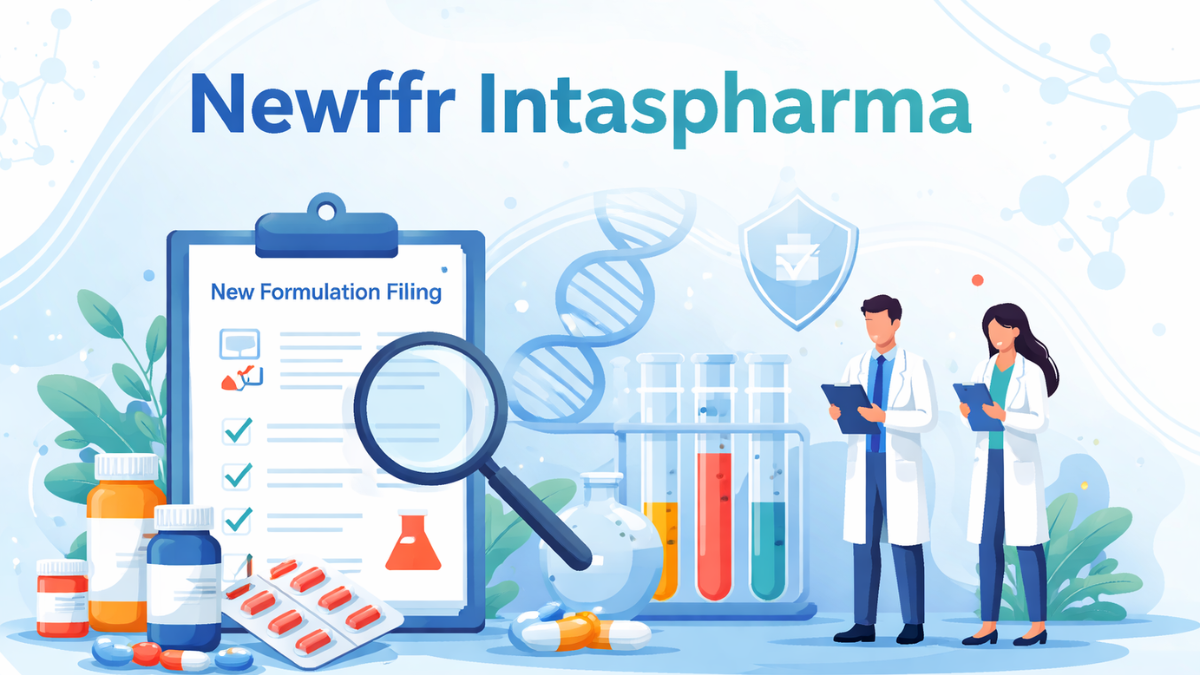
In the pharmaceutical industry, innovation and regulation go hand in hand. Before a new drug or formulation reaches patients, it must pass through several regulatory steps that ensure safety, quality, and effectiveness. One term that often appears in pharmaceutical regulatory discussions is newffr intaspharma. This concept relates to pharmaceutical development, regulatory submissions, and formulation improvements within companies such as Intas Pharmaceuticals.
Understanding how Newffr Intaspharma works can help professionals, students, and healthcare observers better appreciate how pharmaceutical companies improve medicines and bring them to market. This article explains the concept, its importance, how it works in the pharmaceutical industry, and why it matters for drug development.
Understanding Newffr Intaspharma
The term Newfrr Intaspharma is commonly associated with internal pharmaceutical regulatory processes. It typically refers to a New Formulation Filing Request (NFFR) or a similar documentation process used when a company plans to introduce a new drug formulation, modify an existing product, or submit regulatory information related to product changes.
In pharmaceutical organizations, such requests are essential because every modification in a drug’s composition, manufacturing process, or packaging must be properly documented and approved.
When a pharmaceutical company develops a new formulation or modifies an existing medicine, regulatory departments must prepare detailed documentation. This documentation ensures the product meets regulatory guidelines and maintains quality standards.
For companies like Intas Pharmaceuticals, structured systems such as newffr help maintain consistency and regulatory compliance.
Overview of Intas Pharmaceuticals
Intas Pharmaceuticals is a global pharmaceutical company known for manufacturing and distributing a wide range of medicines. The company operates in many therapeutic areas and focuses on developing high-quality generic medicines and specialty products.
Pharmaceutical companies like Intas operate in highly regulated environments. Regulatory agencies require detailed documentation for every new product, formulation change, or manufacturing modification.
Processes like newffr are designed to ensure that all product updates follow regulatory standards and internal quality protocols.
Why New Formulation Filing Requests Are Important
The pharmaceutical industry cannot simply change a medicine without approval. Even small adjustments, such as improving tablet stability or modifying packaging, require documentation.
Newffr systems serve several critical purposes.
Ensuring Drug Safety
One of the main reasons for filing formulation requests is patient safety. Every change must be tested and validated to ensure it does not affect the medicine’s safety.
Maintaining Product Quality
Quality control is vital in pharmaceuticals. Formulation requests ensure that manufacturing processes maintain consistent quality across batches.
Regulatory Compliance
Different countries have strict regulations regarding pharmaceutical products. A structured filing system ensures compliance with these regulations.
Supporting Innovation
Pharmaceutical companies frequently improve medicines. New formulations may enhance stability, improve patient convenience, or extend shelf life.
Without a proper filing system, managing these improvements would be extremely difficult.
The Role of Regulatory Affairs in Newffr Intaspharma
Regulatory affairs departments play a key role in the newffr process. These professionals ensure that every new formulation or product modification follows legal and regulatory guidelines.
Their responsibilities typically include:
-
Preparing regulatory documentation
-
Coordinating with research and development teams
-
Submitting applications to regulatory authorities
-
Monitoring approval timelines
-
Maintaining product records
The regulatory affairs team acts as a bridge between scientific development teams and regulatory authorities.
How the Newffr Process Works
Although each pharmaceutical company may have slightly different procedures, the general process behind newffr usually follows several stages.
1. Idea or Requirement Identification
The process begins when a need for a new formulation or change is identified. This may come from research teams, manufacturing departments, or regulatory requirements.
Examples include:
-
Improving drug stability
-
Changing packaging materials
-
Developing a new dosage form
-
Updating manufacturing processes
Once the need is identified, the request moves to the documentation stage.
2. Preparation of Formulation Documentation
Scientists and formulation experts prepare detailed technical documentation. This includes information about ingredients, manufacturing methods, testing procedures, and product specifications.
This documentation forms the foundation of the newffr submission.
3. Internal Review and Approval
Before any regulatory submission is made, the documentation must be reviewed internally.
Multiple departments participate in this review, including:
-
Quality assurance
-
Research and development
-
Regulatory affairs
-
Manufacturing teams
This step ensures accuracy and compliance with company standards.
4. Regulatory Submission
After internal approval, the documentation may be submitted to regulatory authorities if required.
Regulatory agencies evaluate the proposed changes to confirm they meet safety and quality requirements.
Depending on the country and type of change, approvals may take weeks or months.
5. Implementation
Once approval is granted, the new formulation or product modification can be implemented in the manufacturing process.
Quality assurance teams then monitor production to ensure the updated formulation performs as expected.
Types of Changes Covered Under Newffr
Newffr requests may apply to many types of pharmaceutical changes.
Some common examples include:
New Dosage Forms
A medicine originally available as a tablet might be developed as a capsule, suspension, or injectable form.
Manufacturing Process Updates
Improvements in manufacturing technology may require changes in production methods.
Packaging Modifications
Companies sometimes change packaging materials to improve product stability or reduce costs.
Ingredient Adjustments
Minor ingredient adjustments may improve shelf life or product performance.
Each of these changes must be carefully evaluated and documented.
Benefits of Structured Pharmaceutical Filing Systems
Using structured systems like newffr offers several benefits for pharmaceutical companies.
Improved Documentation
Clear documentation helps maintain accurate records of product development and changes.
Better Collaboration
Multiple departments must work together during formulation development. Filing systems create organized communication channels.
Faster Regulatory Approvals
Properly prepared submissions increase the chances of faster regulatory approvals.
Reduced Risk of Errors
Structured processes minimize mistakes in documentation and compliance.
Challenges in Managing Pharmaceutical Formulation Requests
While systems like newffr improve organization, they also present challenges.
Complex Documentation
Pharmaceutical documentation can be highly detailed and technical.
Strict Regulatory Requirements
Different countries have different regulatory rules, which makes global submissions more complex.
Coordination Between Departments
Research, manufacturing, quality control, and regulatory teams must work closely together.
Despite these challenges, structured filing systems remain essential for pharmaceutical development.
The Role of Technology in Modern Pharmaceutical Filing Systems
Technology has significantly improved the way pharmaceutical companies manage formulation requests.
Many companies now use digital systems and specialized software to manage regulatory submissions and documentation.
These systems allow teams to:
-
Track submission status
-
Store regulatory documents securely
-
Automate approval workflows
-
Maintain compliance records
Digital platforms reduce paperwork and make regulatory processes more efficient.
How Newffr Supports Pharmaceutical Innovation
Innovation in medicine does not always mean creating entirely new drugs. Often, innovation involves improving existing medicines.
New formulation requests allow companies to:
-
Improve drug absorption
-
Reduce side effects
-
Enhance stability
-
Extend product shelf life
-
Increase patient convenience
For example, a medicine taken multiple times per day might be reformulated into an extended-release version that requires fewer doses.
These improvements can significantly enhance patient experience.
Importance of Quality Assurance in the Process
Quality assurance teams play a critical role in the newffr workflow.
They verify that every step in the formulation change process meets strict quality standards.
Quality assurance activities include:
-
Reviewing formulation data
-
Verifying manufacturing processes
-
Conducting stability testing
-
Ensuring compliance with regulatory guidelines
Without quality assurance oversight, pharmaceutical product safety could be compromised.
Future Trends in Pharmaceutical Regulatory Processes
The pharmaceutical industry is continuously evolving, and regulatory processes are also becoming more advanced.
Several trends are shaping the future of systems like newffr.
Digital Regulatory Submissions
Electronic submissions are replacing paper-based systems.
Global Regulatory Harmonization
Efforts are being made to standardize regulatory requirements across countries.
Data-Driven Decision Making
Advanced analytics and artificial intelligence are helping companies analyze formulation data more efficiently.
Faster Drug Development
Streamlined regulatory systems aim to reduce approval timelines while maintaining safety standards.
These advancements will make pharmaceutical processes more efficient in the future.
Conclusion
The concept of newffr intaspharma reflects the structured approach pharmaceutical companies use to manage formulation changes, regulatory documentation, and product improvements. In a highly regulated industry, every modification to a medicine must be carefully reviewed, documented, and approved.
Processes like newffr help ensure that pharmaceutical products remain safe, effective, and compliant with global regulations. They also support innovation by allowing companies to improve existing medicines and develop better formulations for patients.
As technology continues to advance and regulatory systems become more digital, processes like newffr will become even more efficient and essential for pharmaceutical companies worldwide.
FAQs
What does newffr intaspharma mean?
Newffr intaspharma generally refers to a structured internal process used for submitting and managing requests related to new drug formulations or product modifications within a pharmaceutical company.
Why are formulation filing requests important in pharmaceuticals?
They ensure that any changes to a medicine are carefully evaluated, documented, and approved to maintain safety, quality, and regulatory compliance.
Who is responsible for handling newffr submissions?
Regulatory affairs teams usually manage these submissions, working closely with research, manufacturing, and quality assurance departments.
Can pharmaceutical companies change drug formulations without approval?
No. Any significant change in formulation, manufacturing process, or packaging must be documented and often approved by regulatory authorities.
How do digital systems improve pharmaceutical regulatory processes?
Digital systems help track submissions, store documents, automate approval workflows, and ensure regulatory compliance more efficiently.