

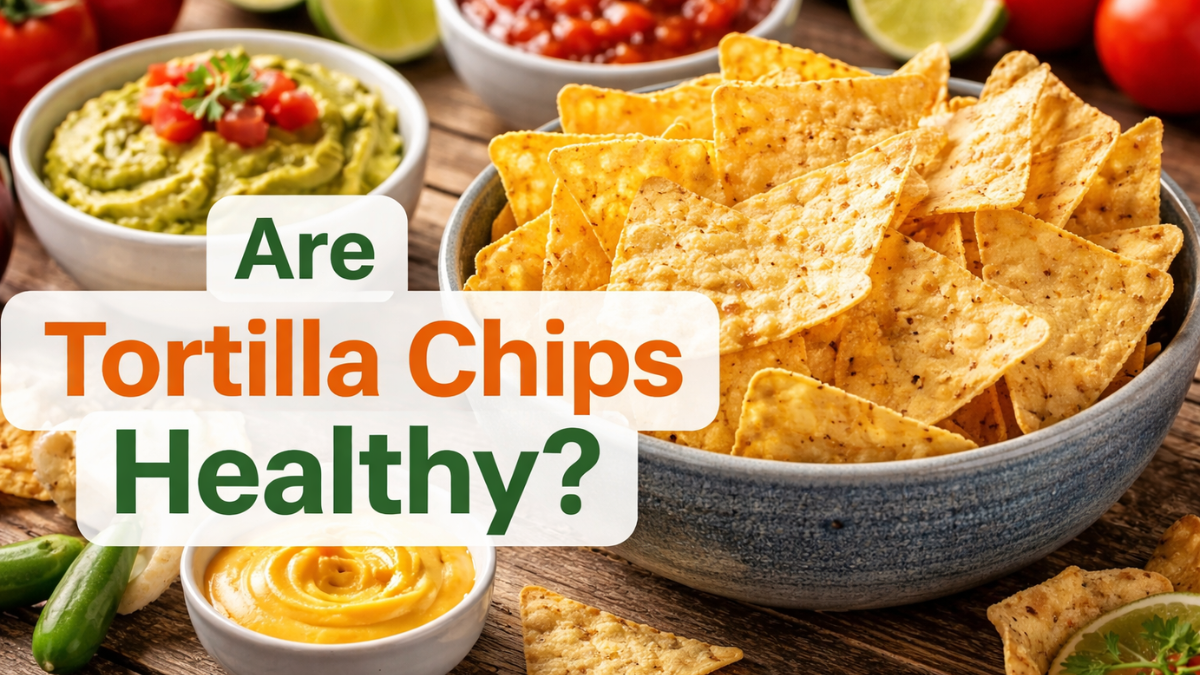
Tortilla chips are a popular snack loved by millions worldwide. Crispy, salty, and perfect for dipping into salsa, guacamole, or cheese, they have become a staple in snack culture. But beyond their taste, many people wonder, are tortilla chips healthy? In this article, we will explore the nutritional content, health benefits, potential risks, and tips for enjoying tortilla chips responsibly.
What Are Tortilla Chips?
Tortilla chips are typically made from corn tortillas, which are cut into triangles and fried or baked until crispy. Traditional tortilla chips are made from corn, oil, and salt, but some variations may include additional seasonings, flavorings, or alternative ingredients like flour or whole grains.
While they are often associated with Mexican cuisine, especially dishes like nachos, tortilla chips have become a global snack favorite.
Nutritional Content of Tortilla Chips
Understanding the nutritional composition of tortilla chips is essential to determine whether they are healthy. While values can vary depending on the brand and preparation method, a standard serving (about 1 ounce or 28 grams) typically contains:
-
Calories: 140–160 kcal
-
Total fat: 7–9 grams
-
Saturated fat: 1–1.5 grams
-
Carbohydrates: 18–20 grams
-
Fiber: 1–2 grams
-
Protein: 2 grams
-
Sodium: 120–200 mg
Many commercial tortilla chips are fried, which increases their fat and calorie content. Baked versions tend to be lower in fat and calories but may still contain significant sodium.
Are Tortilla Chips Healthy? The Pros
When consumed in moderation, tortilla chips can have some nutritional benefits:
1. Source of Whole Grains
If made from whole corn, tortilla chips can provide whole grains, which are beneficial for heart health and digestion. Whole grains contain fiber, antioxidants, and essential nutrients that support overall health.
2. Provides Energy
Tortilla chips are rich in carbohydrates, which are the body’s primary source of energy. A serving of tortilla chips can provide a quick energy boost, making them convenient for active individuals or as a snack during social events.
3. Can Contain Healthy Fats
Some tortilla chips are made with heart-healthy oils, such as olive oil or avocado oil, which provide monounsaturated and polyunsaturated fats. These fats can support heart health when consumed in moderation.
4. Versatility in a Balanced Diet
Tortilla chips can be part of a balanced diet when paired with nutrient-rich dips like salsa, guacamole, or black bean dip. This combination can increase fiber, vitamins, and minerals in your snack.
The Downsides of Tortilla Chips
Despite their enjoyable taste, tortilla chips have some potential drawbacks:
1. High in Calories and Fat
Fried tortilla chips are calorie-dense and high in fat. Consuming large portions regularly can contribute to weight gain, especially when combined with high-calorie dips.
2. High Sodium Content
Most commercially available tortilla chips contain a significant amount of salt. Excessive sodium intake is linked to high blood pressure, heart disease, and kidney problems.
3. Risk of Added Preservatives and Artificial Flavors
Some brands include artificial flavors, preservatives, or coloring agents. These additives do not provide nutritional benefits and can have negative health effects if consumed in excess.
4. Low Fiber and Protein in Many Varieties
While whole-grain tortilla chips offer fiber, most regular chips are made from refined corn and contain minimal fiber. Additionally, they are not a significant source of protein, which is essential for muscle repair and satiety.
Baked vs. Fried Tortilla Chips
The method of preparation can significantly affect the healthiness of tortilla chips:
-
Fried Tortilla Chips: These are typically higher in fat and calories. They may contain unhealthy trans fats if fried in partially hydrogenated oils.
-
Baked Tortilla Chips: Baked varieties usually have less fat and fewer calories while maintaining a similar taste and crunch. They are a better option for those watching their weight or heart health.
Choosing baked or lightly salted tortilla chips can make a noticeable difference in reducing overall fat and sodium intake.
Tips for Enjoying Tortilla Chips Healthily
Even if tortilla chips are not the most nutrient-dense food, you can enjoy them in a healthier way:
-
Watch Portion Sizes: Stick to a small handful (about 1 ounce) instead of eating directly from the bag.
-
Opt for Baked or Whole-Grain Chips: These options provide fewer calories and more fiber.
-
Pair with Nutrient-Rich Dips: Salsa, guacamole, hummus, or black bean dip add vitamins, minerals, and healthy fats.
-
Limit Added Salt: Choose lightly salted varieties to reduce sodium intake.
-
DIY Tortilla Chips: Make your own at home using corn tortillas baked in the oven with minimal oil. This allows full control over ingredients and portion sizes.
Alternatives to Traditional Tortilla Chips
If you want a healthier alternative to regular tortilla chips, consider these options:
-
Vegetable Chips: Baked carrot, zucchini, or sweet potato chips offer vitamins and fiber.
-
Pita Chips: Made from whole-grain pita bread, they can be lower in fat and higher in protein.
-
Air-Popped Popcorn: A low-calorie, high-fiber alternative for crunchy snacks.
-
Kale or Spinach Chips: Packed with nutrients and low in calories, these are excellent baked alternatives.
These alternatives can help satisfy your craving for a crunchy snack while providing additional nutrients.
Common Misconceptions About Tortilla Chips
-
“All tortilla chips are unhealthy.”
Not true. While some fried chips are high in fat and sodium, baked or whole-grain varieties can fit into a healthy diet. -
“Tortilla chips are just empty calories.”
They do contain some fiber, carbohydrates, and energy, especially if made from whole corn. -
“Eating tortilla chips always leads to weight gain.”
Like any snack, moderation is key. Portion control and mindful eating prevent excessive calorie intake.
Are Tortilla Chips Healthy for Specific Diets?
1. Gluten-Free Diet
Most corn tortilla chips are naturally gluten-free, making them a suitable snack for individuals with celiac disease or gluten sensitivity. However, always check the packaging to confirm no cross-contamination.
2. Low-Carb or Keto Diet
Traditional tortilla chips are high in carbohydrates, so they are not suitable for low-carb or ketogenic diets. Alternatives like cheese crisps or vegetable chips may be better options.
3. Vegan Diet
Most tortilla chips are vegan, as they are made from corn, oil, and salt. Some flavored varieties may contain dairy or artificial flavorings, so checking the label is important.
How Often Can You Eat Tortilla Chips?
The frequency of consumption depends on your overall diet and health goals. Eating tortilla chips occasionally, such as once or twice a week, is generally acceptable for most people. Consuming them daily in large quantities, however, can contribute to excess calorie, fat, and sodium intake.
FAQs About Tortilla Chips
Q1: Are tortilla chips healthier than potato chips?
A1: Tortilla chips can be slightly healthier, especially if baked and made from whole corn, because they may contain more fiber and less saturated fat. However, both are snack foods and should be eaten in moderation.
Q2: Can tortilla chips be part of a weight-loss diet?
A2: Yes, if consumed in small portions and paired with healthy dips. Choosing baked or whole-grain varieties helps control calorie intake.
Q3: Are multigrain tortilla chips better?
A3: Multigrain tortilla chips often contain more fiber and nutrients than regular corn chips, making them a healthier option.
Q4: Is it better to make tortilla chips at home?
A4: Homemade tortilla chips allow full control over ingredients, oil, and salt, making them a healthier alternative to store-bought chips.
Q5: Can tortilla chips cause health problems?
A5: Overconsumption can lead to high calorie and sodium intake, contributing to weight gain, high blood pressure, and heart disease. Moderation is key.
Q6: Are flavored tortilla chips worse than plain ones?
A6: Flavored chips often contain added salt, sugar, and artificial ingredients. Plain or lightly salted chips are generally a healthier choice.
Conclusion
So, are tortilla chips healthy? The answer is it depends. Traditional fried tortilla chips are high in calories, fat, and sodium and should be eaten in moderation. However, baked or whole-grain varieties, especially when paired with nutritious dips, can be part of a balanced diet. Like many snacks, the key to enjoying tortilla chips healthily is portion control, ingredient awareness, and mindful eating.
By choosing the right type, watching your portions, and pairing them with nutrient-rich foods, tortilla chips can remain a delicious and satisfying snack without compromising your health.