

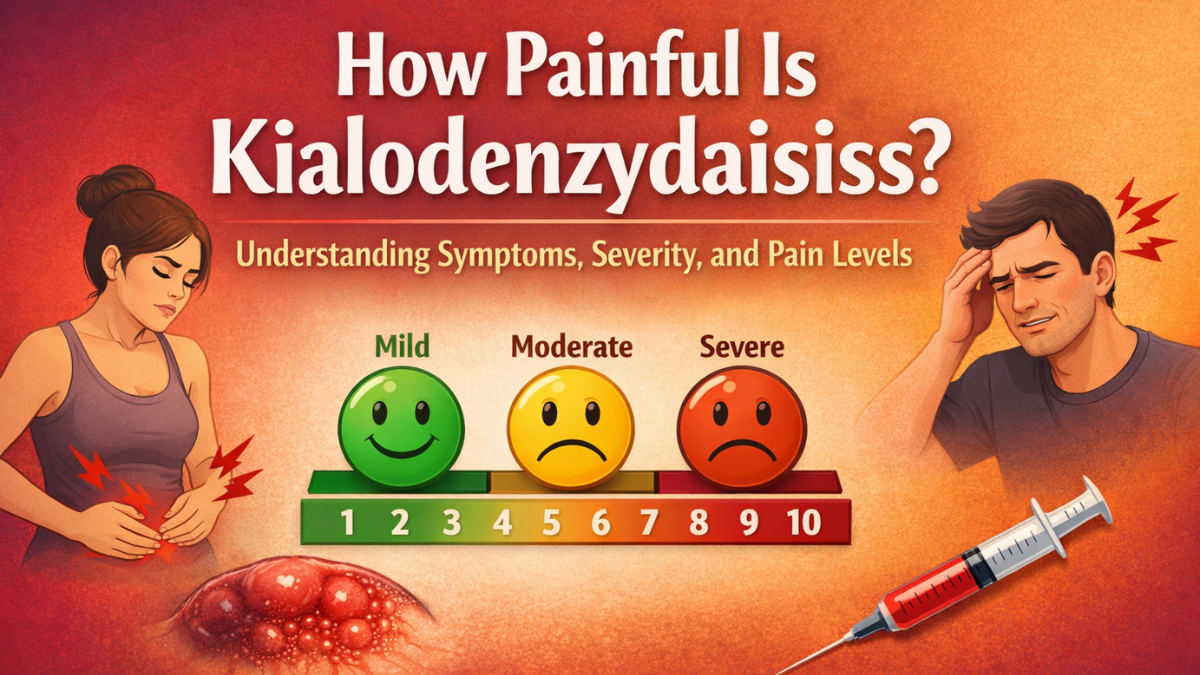
When people search for unusual or unfamiliar medical terms like kialodenzydaisis, it often reflects a concern about pain, symptoms, or a condition they may have heard about. While this term does not appear in standard medical literature, it may represent a misspelling, a rare condition, or a misunderstood diagnosis. Regardless, the question “how painful is kialodenzydaisis” highlights a very real concern: understanding pain levels associated with health conditions.
Pain is subjective. What feels unbearable to one person might be manageable to another. This article explores how pain is generally evaluated, what factors influence it, and how to understand and manage pain in conditions that may resemble the user’s description of “kialodenzydaisis.”
Understanding Pain in Medical Conditions
Pain is the body’s natural response to injury, inflammation, or disease. It acts as a warning signal that something is wrong. The intensity of pain can vary widely depending on several factors:
-
The type of condition
-
The affected area of the body
-
The individual’s pain tolerance
-
The stage or severity of the condition
Pain is usually categorized into mild, moderate, or severe. Medical professionals often use a scale from 0 to 10 to measure pain, where 0 means no pain and 10 represents the worst pain imaginable.
Possible Interpretations of “Kialodenzydaisis”
Since “kialodenzydaisis” is not a recognized medical term, it may be helpful to consider that it could refer to:
-
A gland-related condition (such as inflammation or blockage)
-
A nerve-related disorder
-
A musculoskeletal issue
-
A localized infection or swelling
Many conditions involving inflammation or nerve irritation can cause varying degrees of pain, ranging from mild discomfort to intense, sharp sensations.
How Painful Can It Be?
If we assume that “kialodenzydaisis” refers to a condition involving inflammation or tissue irritation, the pain level can differ depending on severity:
Mild Pain
In early stages or minor cases, pain may feel like:
-
A dull ache
-
Slight discomfort
-
Pressure in a specific area
This type of pain is usually manageable and may not interfere significantly with daily activities.
Moderate Pain
As the condition progresses, symptoms may include:
-
Persistent aching
-
Throbbing sensations
-
Sensitivity to touch or movement
Moderate pain can begin to affect concentration, sleep, and routine tasks.
Severe Pain
In more advanced or complicated cases, pain may become:
-
Sharp or stabbing
-
Constant and intense
-
Debilitating
Severe pain can significantly impact quality of life and may require medical intervention.
Factors That Influence Pain Levels
Pain is not only about the condition itself. Several factors can influence how painful something feels:
1. Individual Pain Tolerance
Each person experiences pain differently. Some people have a higher tolerance, while others may feel pain more intensely.
2. Location of the Condition
Pain in sensitive areas (such as nerves, joints, or glands) is often more intense than in less sensitive tissues.
3. Inflammation and Swelling
Conditions involving swelling tend to be more painful due to pressure on surrounding tissues and nerves.
4. Infection
If the condition includes an infection, pain may increase due to tissue damage and immune response.
5. Duration
Chronic conditions can lead to prolonged discomfort, which may feel worse over time due to fatigue and stress.
Symptoms That May Accompany Pain
Depending on what “kialodenzydaisis” refers to, pain may not be the only symptom. Other possible signs include:
-
Swelling or redness
-
Warmth in the affected area
-
Reduced mobility
-
Fatigue
-
Fever (if infection is present)
These symptoms can intensify the perception of pain and indicate the need for medical attention.
When Pain Becomes Serious
Not all pain requires urgent care, but certain warning signs should not be ignored:
-
Pain that suddenly becomes severe
-
Pain accompanied by high fever
-
Difficulty moving or using a body part
-
Persistent pain lasting more than a few days
-
Pain that worsens despite treatment
In such cases, it is important to consult a healthcare professional for proper diagnosis and management.
Managing Pain Effectively
Even without knowing the exact condition, general pain management strategies can help reduce discomfort:
Rest
Giving the affected area time to heal can prevent further irritation and reduce pain.
Cold or Heat Therapy
-
Ice packs can reduce swelling and numb pain
-
Heat can relax muscles and improve circulation
Over-the-Counter Medications
Pain relievers such as ibuprofen or acetaminophen can help manage mild to moderate pain.
Hydration and Nutrition
A healthy diet supports the body’s healing process and can reduce inflammation.
Gentle Movement
In some cases, light stretching or movement can prevent stiffness and improve recovery.
Psychological Aspects of Pain
Pain is not purely physical. Emotional and psychological factors can amplify or reduce how pain is experienced.
-
Stress and anxiety can make pain feel worse
-
Relaxation techniques can help reduce discomfort
-
Positive mindset and coping strategies improve tolerance
Understanding this connection can help individuals better manage their symptoms.
Chronic vs Acute Pain
Pain is generally divided into two categories:
Acute Pain
-
Short-term
-
Usually caused by injury or illness
-
Resolves as the condition improves
Chronic Pain
-
Lasts for weeks, months, or longer
-
May persist even after the initial cause is treated
-
Requires long-term management strategies
If “kialodenzydaisis” refers to a chronic condition, the pain may fluctuate over time rather than remain constant.
Importance of Proper Diagnosis
Since the term “kialodenzydaisis” is unclear, it is crucial to get an accurate diagnosis. Self-diagnosing can lead to unnecessary anxiety or incorrect treatment.
A healthcare provider may use:
-
Physical examination
-
Medical history
-
Imaging tests (if needed)
Proper diagnosis ensures that the pain is treated effectively and safely.
Living With Pain
For individuals dealing with ongoing discomfort, adapting daily routines can make a big difference:
-
Prioritize rest and recovery
-
Avoid activities that worsen pain
-
Maintain a balanced lifestyle
-
Seek professional advice when needed
Pain management is not just about eliminating discomfort but improving overall quality of life.
FAQs
1. Is kialodenzydaisis a real medical condition?
The term “kialodenzydaisis” does not appear in recognized medical references. It may be a misspelling or a misunderstood term. Consulting a doctor can help clarify the correct condition.
2. How painful is kialodenzydaisis?
If it refers to an inflammatory or nerve-related condition, pain can range from mild discomfort to severe, depending on the severity and individual factors.
3. Can the pain go away on its own?
Mild cases may improve with rest and basic care, but persistent or severe pain should be evaluated by a medical professional.
4. What should I do if the pain is severe?
Seek medical attention immediately, especially if the pain is sudden, intense, or accompanied by other symptoms like fever or swelling.
5. Are home remedies enough to manage the pain?
Home remedies can help with mild pain, but they may not be sufficient for more serious conditions. Proper diagnosis is important.
6. How can I reduce pain naturally?
You can try rest, hydration, proper nutrition, stress management, and gentle physical activity to reduce pain naturally.
7. When should I see a doctor?
You should consult a doctor if pain persists for several days, worsens, or interferes with your daily life.
Conclusion
While “kialodenzydaisis” may not be a clearly defined medical condition, the concern about pain is valid and important. Pain can vary widely depending on many factors, including severity, location, and individual sensitivity. Understanding how pain works, recognizing warning signs, and seeking proper care are essential steps in managing any health issue.
If you are experiencing unexplained or persistent pain, the best course of action is to consult a qualified healthcare professional. Early diagnosis and appropriate treatment can make a significant difference in both comfort and recovery.