

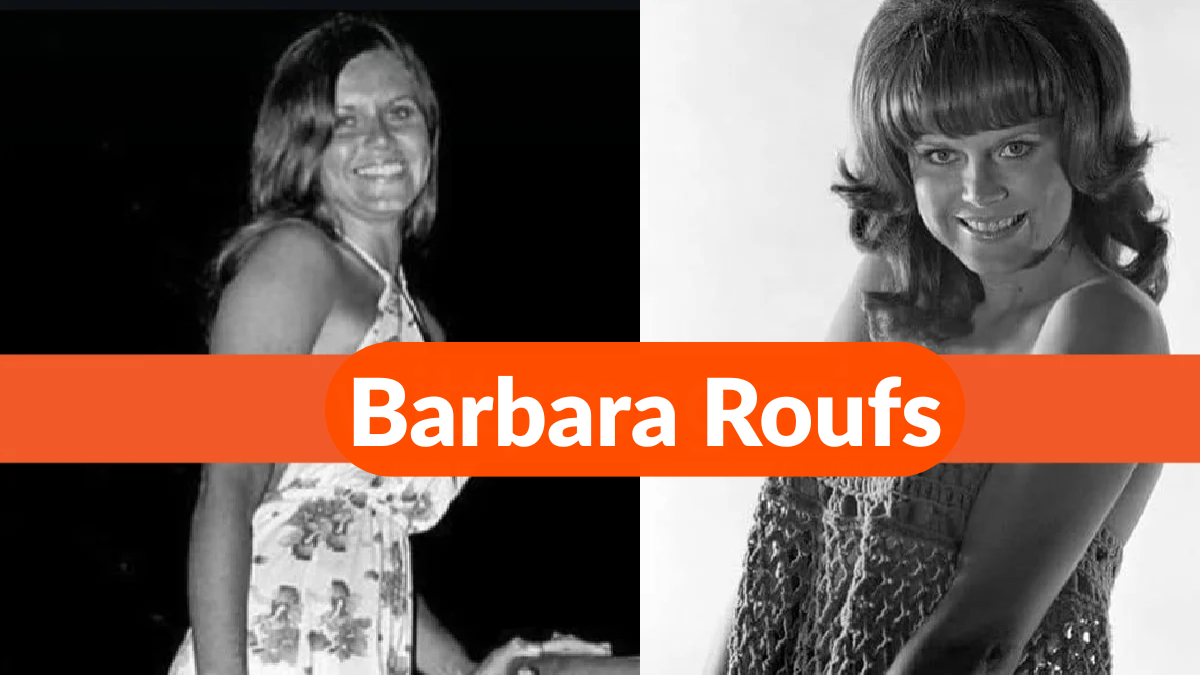
The name Barbara Roufs continues to spark curiosity decades after she became a recognizable face in American motorsports culture. Known primarily as a “trophy girl” during the golden era of drag racing in the 1970s, Barbara Roufs became a symbol of speed, style, and showmanship. Her image represents a unique time in racing history when the sport was not only about horsepower but also about glamour and crowd appeal.
In this article, we explore who Barbara Roufs was, why she became famous, her role in drag racing culture, and the lasting legacy she left behind.
The Rise of Drag Racing in the 1970s
To understand Barbara Roufs’ impact, it’s important to look at the environment in which she gained popularity. The 1970s were a thrilling era for American motorsports, particularly drag racing. Organizations like the National Hot Rod Association (NHRA) were expanding rapidly, and events were drawing massive crowds across the United States.
Drag racing events were more than competitions; they were festivals of speed. Cars like the Ford Mustang, Chevrolet Camaro, and Dodge Charger were roaring down quarter-mile tracks, and fans gathered in huge numbers to watch the spectacle. It was during this electrifying period that trophy girls became a significant part of the show.
Who Was Barbara Roufs?
Barbara Roufs was a young woman from California who rose to prominence as a trophy girl at drag racing events in the early 1970s. Trophy girls were responsible for presenting awards to winners and posing for photographs with drivers and their cars.
Unlike many who briefly stepped into the spotlight, Barbara Roufs stood out. She had a natural charisma, striking looks, and a confident presence that photographers loved. Her long dark hair, sun-kissed style, and bold fashion choices captured the free-spirited vibe of 1970s California culture.
Though she wasn’t a racer herself, her association with major racing events made her a recognizable face among fans.
The Role of Trophy Girls in Motorsports
During the 1960s and 1970s, trophy girls played a significant promotional role in motorsports. At NHRA-sanctioned events and other drag racing competitions, they would:
Present trophies to the winning drivers
Appear in promotional materials
Pose for photos with race cars and champions
Engage with fans at events
Their presence added glamour and helped promote events in magazines and newspapers. At a time before social media, photographs were a powerful marketing tool, and trophy girls became central to that visual storytelling.
Barbara Roufs embodied this role perfectly. Her images frequently appeared in racing publications and collector photo archives.
Why Barbara Roufs Became So Popular
There were many trophy girls in the 1970s, but Barbara Roufs’ popularity stood out for several reasons.
1. Natural Photogenic Appeal
Barbara had a distinctive look that matched the Southern California racing scene. Her effortless beauty and confident posture made her a favorite among photographers.
2. The Timing
She appeared during the peak years of drag racing’s growth. With larger crowds and increasing media coverage, more cameras were present than ever before.
3. Cultural Influence
The 1970s were defined by bold fashion, long flowing hair, bell-bottoms, and carefree attitudes. Barbara Roufs’ style reflected that cultural shift perfectly, making her an icon of the era.
Barbara Roufs and the Golden Era of NHRA Drag Racing
The NHRA’s rapid expansion in the early 1970s helped amplify Barbara’s visibility. Events such as the Winternationals and Summernationals were widely attended and covered in magazines dedicated to racing culture.
Drivers competing in categories like Top Fuel and Funny Car were achieving celebrity status. When winners stood beside trophy girls like Barbara Roufs for photographs, those images became part of racing history.
Her presence symbolized the blend of competition and entertainment that defined the sport at the time.
The Glamour of 1970s Racing Culture
The 1970s were a turning point in American pop culture. Cars were powerful, fashion was expressive, and youth culture was redefining public life. Racing tracks became meeting points for enthusiasts who shared a passion for performance vehicles and high-speed excitement.
Barbara Roufs reflected that glamour:
Platform shoes and high-waisted outfits
Big, natural hairstyles
Bold confidence in front of cameras
She wasn’t just presenting trophies; she was contributing to the overall atmosphere of the event.
The Media and Photography Impact
One reason Barbara Roufs remains talked about today is the photography of that era. Many images of her have resurfaced over the years in online forums, racing history blogs, and collector communities.
Photographers often captured candid moments—Barbara standing next to a nitro-burning dragster, smiling beside a victorious driver, or interacting with fans. These snapshots became nostalgic reminders of a vibrant period in American motorsports.
Unlike modern promotional models who benefit from social media platforms, Barbara Roufs’ fame came purely through print media and word-of-mouth recognition.
Changing Times in Motorsports Promotion
As the decades passed, the role of trophy girls began to evolve. By the late 20th century and early 21st century, many motorsports organizations reconsidered promotional traditions. Discussions about professionalism, gender roles, and branding changed the landscape of racing events.
Today, major organizations like NASCAR and Formula 1 have reduced or eliminated the traditional “trophy girl” role altogether. The cultural norms of the 1970s differ greatly from modern standards.
Barbara Roufs remains a symbol of a specific historical moment rather than a representation of current practices.
Personal Life and Privacy
Despite her popularity within racing circles, Barbara Roufs maintained a relatively private personal life. Unlike modern celebrities, there was no internet to document every aspect of her activities.
Much of what is known about her comes from archived racing photographs and testimonials from fans who attended events in which she participated. This limited documentation has contributed to the mystery surrounding her life.
Tragic End and Rediscovery
In later years, interest in Barbara Roufs resurfaced when vintage racing communities began sharing photographs from the 1970s. Collectors and enthusiasts started recognizing her as one of the most memorable trophy girls of that era.
Unfortunately, reports later revealed that Barbara Roufs passed away in the early 1990s. Her passing added a layer of sadness to the nostalgia that surrounds her image. Fans who rediscovered her photos often expressed admiration not only for her beauty but also for the era she represented.
Why Barbara Roufs Still Matters Today
So why does Barbara Roufs continue to attract attention decades later?
Nostalgia for the 1970s
The 1970s remain a beloved era for classic car enthusiasts. Images from that period evoke strong emotional connections.
Representation of Racing History
She symbolizes a promotional style that defined drag racing’s golden years.
Timeless Photography
Well-preserved photographs keep her memory alive in racing communities.
It is remembered not for controversy or scandal but for representing a vibrant slice of American motorsports culture.
Cultural Significance Beyond Racing
Barbara Roufs’ story also reflects broader themes in American culture:
The intersection of sports and entertainment
The evolution of gender roles in public events
The power of visual media in shaping public memory
Her legacy offers insight into how marketing, fashion, and sport intertwined during a transformative decade.
The Enduring Fascination with Classic Motorsports Personalities
Classic racing personalities—drivers, crew chiefs, photographers, and promotional figures—continue to captivate enthusiasts. While racers often receive the spotlight, supporting figures like Barbara Roufs also contributed to the atmosphere that made events unforgettable.
Collectors today still search for vintage drag racing posters and photographs featuring trophy presentations from the 1970s. In many of those iconic images, it appears smiling beside roaring machines.
Conclusion
Barbara Roufs may not have been a driver or a championship winner, but her presence helped define the look and feel of 1970s drag racing. As a trophy girl during the golden era of NHRA events, she became an enduring symbol of speed, glamour, and California cool.
Her story reminds us that history isn’t shaped only by competitors but also by the personalities who stand beside them. Through photography and collective memory, it continues to represent a nostalgic chapter in American motorsports culture.
Frequently Asked Questions (FAQs)
Who was Barbara Roufs?
Barbara Roufs was a 1970s drag racing trophy girl who became well-known for her appearances at NHRA events and her iconic photographs alongside race winners.
Why is Barbara Roufs famous?
She gained fame due to her striking appearance and frequent presence in racing event photography during the golden era of drag racing.
Was Barbara Roufs a racecar driver?
No, she was not a driver. She worked as a trophy presenter and promotional model at drag racing events.
When did Barbara Roufs pass away?
Barbara Roufs passed away in the early 1990s, though detailed public records about her life remain limited.
Why are people still interested in Barbara Roufs?
Interest continues because of nostalgia for 1970s drag racing culture and the rediscovery of vintage photographs featuring her.
What role did trophy girls play in drag racing?
Trophy girls presented awards, posed for promotional photos, and helped create a glamorous and celebratory atmosphere at racing events.