

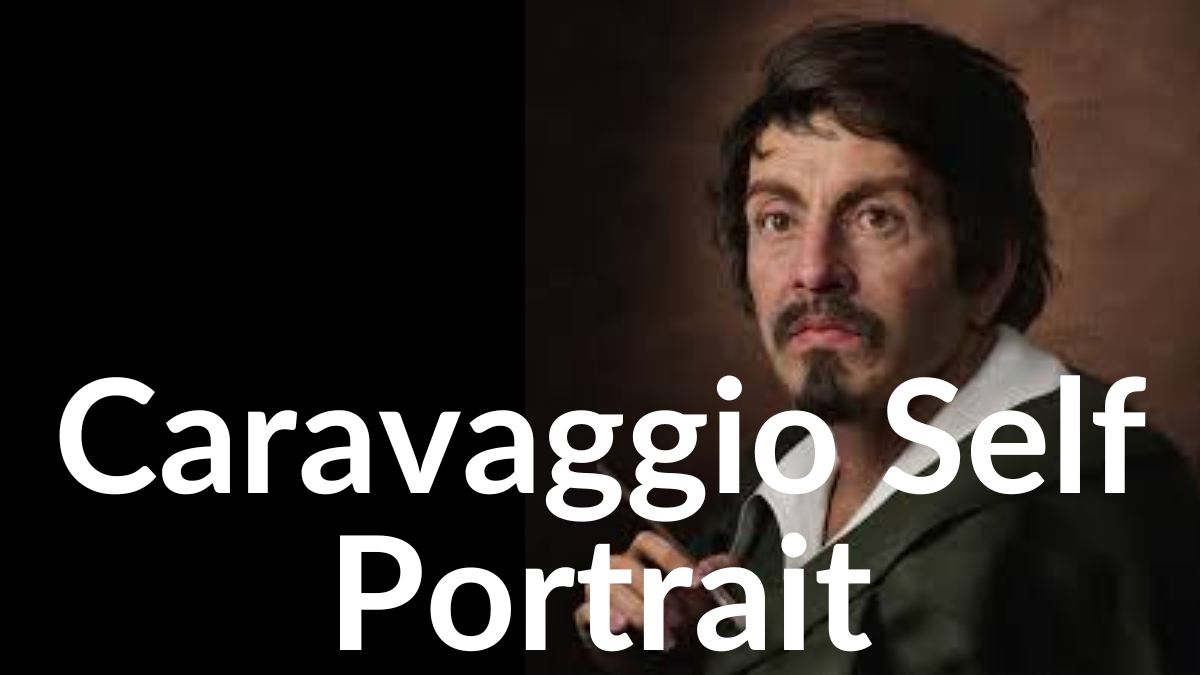
The name Caravaggio is widely recognized as one of the most influential figures in the history of art. Known for his dramatic use of light and shadow, emotional realism, and powerful storytelling, Caravaggio revolutionized painting during the late 16th and early 17th centuries. His artistic style laid the foundation for the Baroque movement and influenced generations of painters across Europe.
One fascinating aspect of his work that continues to intrigue historians and art lovers is the idea of the Caravaggio self portrait. Unlike many artists who created clear and direct self-portraits, Caravaggio rarely painted himself in an obvious way. Instead, scholars believe he subtly included his own likeness within various religious and mythological scenes. These hidden appearances have sparked curiosity and debate among art historians for centuries.
Understanding the concept of the Caravaggio self portrait offers deeper insight into his personality, artistic techniques, and emotional state. By examining these possible self-representations, we gain a unique perspective on one of history’s most mysterious and brilliant painters.
Who Was Caravaggio?
Caravaggio, born in 1571 in Milan, Italy, became one of the most revolutionary painters of his time. His full name was Michelangelo Merisi da Caravaggio, and he is often simply referred to as Caravaggio after the town where his family originated.
Caravaggio’s life was as dramatic as his paintings. He lived a turbulent lifestyle marked by violence, duels, arrests, and sudden escapes. Despite his troubled personal life, his artistic genius was undeniable. He transformed religious painting by depicting sacred figures as ordinary people with realistic expressions and emotions.
His signature technique, known as chiaroscuro, used intense contrasts between light and darkness to create dramatic scenes. This style made his paintings feel almost theatrical, drawing viewers directly into the moment being portrayed.
Although Caravaggio never produced many traditional self-portraits, scholars believe he cleverly inserted himself into several of his famous works.
The Mystery of the Caravaggio Self Portrait
Unlike artists such as Rembrandt or Vincent van Gogh, who painted numerous direct self-portraits, Caravaggio took a more subtle approach. He rarely created standalone portraits of himself. Instead, he often appeared as a character within larger scenes.
These hidden self-portraits are usually small details in complex compositions. Sometimes he appears as a witness, a victim, or even a villain in the scene. This creative method allowed him to place himself inside the narrative while still focusing on the main story.
Art historians have identified several paintings that may contain a Caravaggio self portrait. While not all experts agree, these interpretations provide fascinating clues about how the artist viewed himself and his place in the world.
Self-Portrait in “David with the Head of Goliath”
One of the most widely accepted examples of a Caravaggio self portrait appears in the painting David with the Head of Goliath.
In this dramatic artwork, the young biblical hero David holds the severed head of the giant Goliath. Many scholars believe that the face of Goliath is actually Caravaggio himself. The expression on the severed head is haunting and filled with sorrow, which has led historians to interpret the painting as a reflection of the artist’s guilt and inner turmoil.
At the time this painting was created, Caravaggio was living as a fugitive after killing a man in a duel. Some experts believe the painting symbolized his desire for forgiveness. By portraying himself as the defeated Goliath, he may have been expressing remorse and acknowledging his own moral failures.
This interpretation makes the painting not only a religious scene but also a deeply personal confession.
Self-Portrait in “The Martyrdom of Saint Matthew”
Another painting that may contain a Caravaggio self portrait is The Martyrdom of Saint Matthew.
In this intense scene depicting the assassination of Saint Matthew, a group of shocked witnesses surrounds the event. Among them is a figure looking directly out of the painting toward the viewer. Many art historians believe this frightened onlooker is Caravaggio himself.
If this interpretation is correct, the artist placed himself within the moment as a silent witness to violence and tragedy. Considering Caravaggio’s own involvement in violent incidents, the inclusion of his image in such a dramatic scene may have been intentional.
This subtle appearance reinforces the idea that Caravaggio often used his art as a reflection of his personal experiences and emotions.
The Role of Self-Representation in Caravaggio’s Art
The concept of the Caravaggio self portrait reveals how the artist viewed himself in relation to his work. Instead of presenting himself as a proud painter, he often appeared as a flawed or vulnerable figure.
This approach contrasts with many Renaissance artists who depicted themselves confidently and elegantly. Caravaggio’s self-representations are often darker and more introspective. They show a man who understood the complexities of human nature and was not afraid to reveal them.
By inserting himself into biblical stories and historical events, Caravaggio blurred the line between the artist and the subject. His presence within the scene makes the viewer feel as though the story is unfolding in real life rather than in a distant religious world.
Psychological Meaning Behind the Caravaggio Self Portrait
Many scholars believe the hidden Caravaggio self portrait reflects the artist’s psychological struggles. Caravaggio lived a life filled with conflict, fear, and constant movement due to legal troubles.
His paintings frequently explore themes such as guilt, redemption, suffering, and forgiveness. By portraying himself in these scenes, he may have been confronting his own conscience.
For example, in David with the Head of Goliath, the defeated Goliath could represent the artist’s darker side. The young David, holding the head with compassion rather than triumph, may symbolize mercy or the hope for redemption.
This interpretation adds a powerful emotional layer to the painting and highlights how deeply personal Caravaggio’s art could be.
Artistic Techniques Used in Self-Portrait Scenes
Even when painting himself, Caravaggio remained committed to his groundbreaking artistic style. His self-portraits share the same techniques that define his other masterpieces.
Dramatic Lighting
Caravaggio’s use of light and darkness creates a powerful focus on facial expressions. In scenes where he may have included himself, the lighting often highlights the emotional tension.
Realistic Faces
Instead of idealized beauty, Caravaggio painted real people with wrinkles, imperfections, and intense expressions. This realism makes the suspected self-portraits feel authentic and relatable.
Emotional Storytelling
Every element in a Caravaggio painting contributes to the story. When he placed himself in a scene, it was rarely accidental. His presence usually carries symbolic meaning within the narrative.
These techniques helped transform religious painting into a deeply human experience.
Influence on Later Artists
Caravaggio’s approach to self-representation influenced many later artists. His dramatic realism inspired painters throughout Europe during the Baroque period.
Artists such as Artemisia Gentileschi and Peter Paul Rubens admired his bold style and emotional intensity. While they did not always hide their own likeness in scenes as Caravaggio did, his willingness to blend personal identity with storytelling opened new possibilities in artistic expression.
Even centuries later, modern artists and historians remain fascinated by the psychological depth found in his work.
Why the Caravaggio Self Portrait Still Fascinates Scholars
The mystery surrounding the Caravaggio self portrait continues to attract the attention of art historians. Because he rarely signed or documented his work, identifying these hidden images requires careful study and interpretation.
Researchers analyze facial similarities, historical records, and stylistic clues to determine whether certain figures represent the artist. Advances in technology, including digital analysis and restoration techniques, have also helped scholars explore these questions more deeply.
Yet the mystery itself is part of the appeal. Caravaggio’s life was full of drama, secrecy, and sudden changes, and his art reflects that same sense of intrigue.
Caravaggio’s Legacy in Art History
Today, Caravaggio is recognized as one of the greatest painters in Western art history. His revolutionary techniques changed the direction of European painting and influenced countless artists.
The concept of the Caravaggio self portrait adds another layer to his legacy. It shows that his art was not only about religious stories or historical scenes but also about personal expression.
By quietly placing himself within his paintings, Caravaggio allowed future generations to glimpse the man behind the masterpieces.
Conclusion
The idea of the Caravaggio self portrait offers a fascinating window into the life and mind of one of history’s most enigmatic artists. Rather than painting traditional self-portraits, Caravaggio chose to hide his likeness within dramatic narratives filled with emotion and symbolism.
Paintings like David with the Head of Goliath and The Martyrdom of Saint Matthew provide compelling examples of how he may have inserted himself into his own stories. These subtle appearances reveal a complex personality struggling with guilt, redemption, and self-reflection.
More than four centuries later, Caravaggio’s work continues to inspire admiration and curiosity. His ability to combine technical brilliance with psychological depth ensures that his art—and the mystery of the Caravaggio self portrait—will remain an enduring subject of study and fascination.
FAQs
Did Caravaggio paint a direct self-portrait?
There is no widely accepted standalone self-portrait created by Caravaggio. However, many art historians believe he included his own likeness in several paintings as characters within larger scenes.
Which painting contains the most famous Caravaggio self portrait?
The painting David with the Head of Goliath is widely believed to contain the artist’s self-portrait in the severed head of Goliath.
Why did Caravaggio hide his self-portrait in paintings?
Caravaggio may have used hidden self-portraits as a way to express personal emotions and psychological struggles while still focusing on the main narrative of the artwork.
How can historians identify Caravaggio’s self-portraits?
Experts compare facial features across different paintings, analyze historical documents, and study the artist’s style to determine whether certain figures represent him.
Why is Caravaggio important in art history?
Caravaggio is considered a pioneer of dramatic realism and chiaroscuro lighting. His work transformed Baroque painting and continues to influence artists and scholars today.