

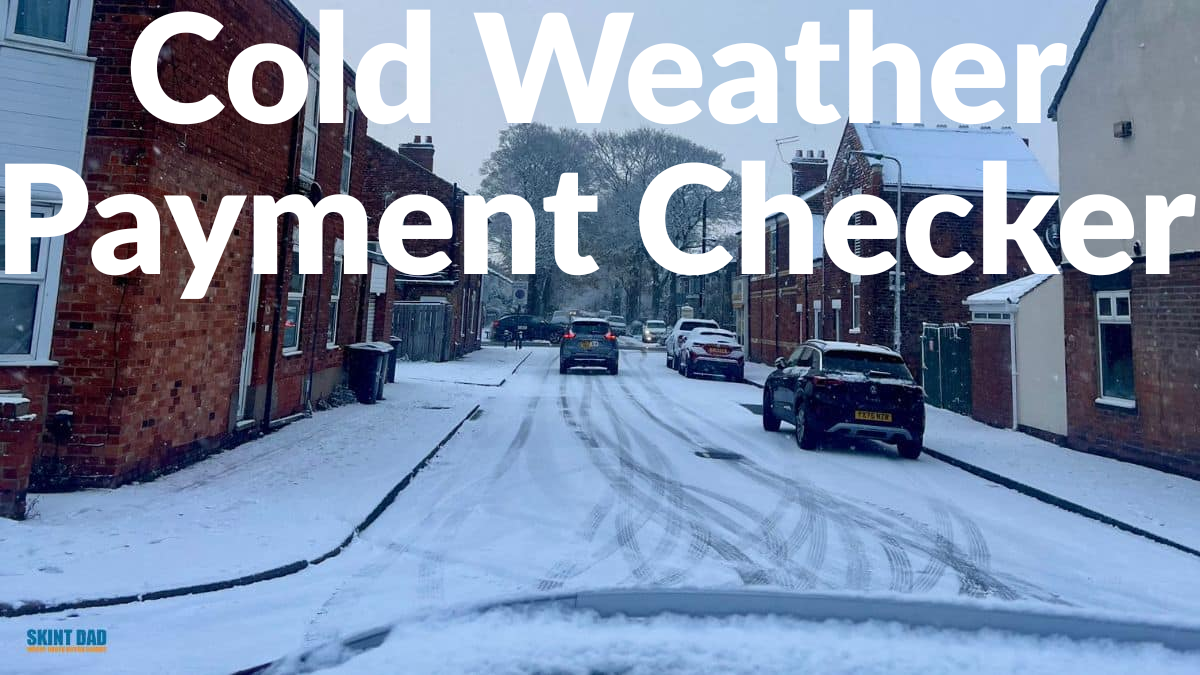
Winter can be a challenging time for many households, especially those who rely on energy-intensive heating systems to stay warm. To help vulnerable individuals and families, governments and local authorities often provide financial assistance through schemes like the Cold Weather Payment. Understanding how to access, check eligibility, and claim these payments is crucial for those in need. The cold weather payment checker is a tool designed to make this process simple, transparent, and accessible.
What is the Cold Weather Payment?
The Cold Weather Payment is a financial support initiative aimed at assisting vulnerable households during periods of extreme cold. This payment is typically issued when the temperature in a specific area falls below a certain threshold for a set number of days. The objective is to help with additional costs associated with keeping homes warm, such as electricity, gas, or other heating fuel expenses.
In many countries, eligibility for the payment is based on existing benefits such as pension credits, income support, or disability allowances. The payment amount and frequency may vary depending on the region, the severity of the cold weather, and the claimant’s circumstances.
Why Use a Cold Weather Payment Checker?
Manually checking eligibility for government payments can be confusing, especially with multiple criteria and changing regulations. This is where the cold weather payment checker becomes essential. It is an online tool that allows individuals to quickly verify whether they qualify for the cold weather payment.
Benefits of Using the Checker
-
Time-Saving—Instead of reading through detailed policy documents, users can enter a few details and instantly know if they qualify.
-
Accuracy – The checker is updated with current rules and thresholds, reducing the risk of misinformation.
-
Accessibility – Available 24/7, it allows users to check eligibility from home without needing to contact multiple offices.
-
Planning – Early awareness of potential payments helps households plan their heating budgets during the winter months.
How Does the Cold Weather Payment Checker Work?
The cold weather payment checker is designed to be user-friendly. Typically, the process involves the following steps:
-
Entering Personal Information – Users may need to input details such as age, location, and existing benefits.
-
Confirming Residence – Proof that you reside in a specific region may be required to verify local temperature triggers.
-
Reviewing Eligibility – The checker cross-references the information with official eligibility criteria and current weather data.
-
Displaying Results – Users receive an immediate notification about whether they qualify for the payment and, if so, the expected payment amount or next steps to claim it.
This automated approach eliminates much of the uncertainty and makes the process transparent.
Eligibility Criteria for Cold Weather Payments
While the exact requirements may vary by country or region, common eligibility criteria include:
-
Receiving qualifying benefits – This includes pension credits, income support, or disability allowances.
-
Living in a designated area – Cold weather payments are typically triggered by low temperatures in specific geographic regions.
-
Meeting age requirements – Some schemes are aimed specifically at elderly individuals.
-
Household circumstances – Vulnerable households, including those with children or disabled members, may receive priority consideration.
It is important to note that not all residents in cold regions automatically receive these payments; eligibility is closely tied to financial or social need.
When Are Cold Weather Payments Issued?
Cold weather payments are usually triggered by specific weather conditions. Common guidelines include:
-
Temperature Thresholds – Payments are typically issued when the temperature falls below a certain level, such as 0°C (32°F), for a set number of consecutive days.
-
Seasonal Windows – Payments are generally available only during the colder months, often between November and March.
-
Automatic Triggering – Many payment systems are linked to official meteorological data, ensuring that households receive payments automatically when criteria are met.
Being aware of these triggers helps households anticipate additional financial support during the coldest periods.
How to Claim a Cold Weather Payment
In many cases, eligible individuals do not need to take action because payments are automatically issued if they are receiving qualifying benefits. However, there are situations where claiming manually may be required:
-
Check Eligibility – Use the cold weather payment checker to verify if you qualify.
-
Gather Documentation – Prepare proof of residence, benefit entitlements, and household circumstances.
-
Submit a Claim – If necessary, contact your local benefits office or use the official online portal to submit a claim.
-
Follow Up – Ensure that the payment has been processed. If delays occur, contacting support services can help resolve the issue.
Promptly checking eligibility and submitting claims ensures households are not left without crucial support during extreme weather.
Common Challenges and Solutions
Despite the convenience of the cold weather payment system, some users may encounter challenges:
-
Confusion About Eligibility – Some benefits are not eligible, leading to misunderstandings. Using the official checker resolves this confusion.
-
Technical Issues – Online systems may occasionally experience downtime; contacting support or trying at different times often helps.
-
Delayed Payments – Automatic systems may sometimes be delayed due to verification processes. Early planning and regular checks are recommended.
Awareness of these potential issues helps households avoid missing out on financial assistance.
Tips for Maximizing Cold Weather Payments
While the payment is designed to assist with heating costs, there are ways to make the most of this support:
-
Combine with Energy Efficiency Measures – Insulating your home, using energy-efficient appliances, and sealing drafts can reduce heating costs, stretching the value of the payment.
-
Track Temperature Triggers – Monitoring local weather reports helps you anticipate when payments may be issued.
-
Stay Informed About Policy Updates – Governments may update eligibility rules or payment amounts; regular use of the checker ensures you have current information.
-
Keep Documentation Ready – Quick access to proof of benefits and residence allows for fast claim processing if manual submission is required.
Alternatives to Cold Weather Payments
In addition to the cold weather payment, other programs may provide support during winter:
-
Winter Fuel Allowances – Some regions offer direct subsidies for fuel purchases.
-
Energy Rebates – Rebates or discounts on electricity and gas bills are sometimes available for low-income households.
-
Local Grants or Charities – Municipal programs or charitable organizations may offer assistance for vulnerable families during extreme cold.
Exploring all available support ensures households are adequately prepared for the winter season.
FAQs About the Cold Weather Payment Checker
1. What is a cold weather payment checker?
A cold weather payment checker is an online tool that allows individuals to verify if they are eligible for government-issued cold weather payments based on benefits, location, and other criteria.
2. Who can use the cold weather payment checker?
Anyone who believes they might qualify for cold weather payments can use the checker. This includes pensioners, disabled individuals, low-income households, and families with children.
3. Is the cold weather payment automatic?
For most eligible individuals receiving qualifying benefits, payments are automatic. However, in some cases, a manual claim may be necessary.
4. How much is the cold weather payment?
The payment amount varies depending on region and circumstances. It is usually a fixed amount per qualifying week of cold weather.
5. When are cold weather payments issued?
Payments are typically issued when temperatures fall below a specific threshold for consecutive days, during the winter months.
6. Do I need to provide proof to use the checker?
The checker usually requires basic details such as age, location, and benefits. Full documentation may only be needed when submitting a manual claim.
7. Can I appeal if I’m denied?
Yes. Most government programs have an appeals process for those who believe they were wrongly denied.
8. Are there other support schemes for winter?
Yes. In addition to cold weather payments, households may be eligible for energy rebates, winter fuel allowances, and charitable grants.
Conclusion
Winter can pose financial challenges, especially for those relying on heating to stay safe and comfortable. The cold weather payment checker simplifies the process of determining eligibility and accessing crucial support. By understanding how it works, staying informed about eligibility criteria, and using available resources effectively, households can ensure they are prepared for the cold months.
Checking early, planning heating budgets, and exploring additional support schemes can make a significant difference in maintaining warmth and comfort during harsh winter conditions. The cold weather payment is more than just financial aid—it is a safeguard for vulnerable households, providing reassurance and stability when temperatures drop.