

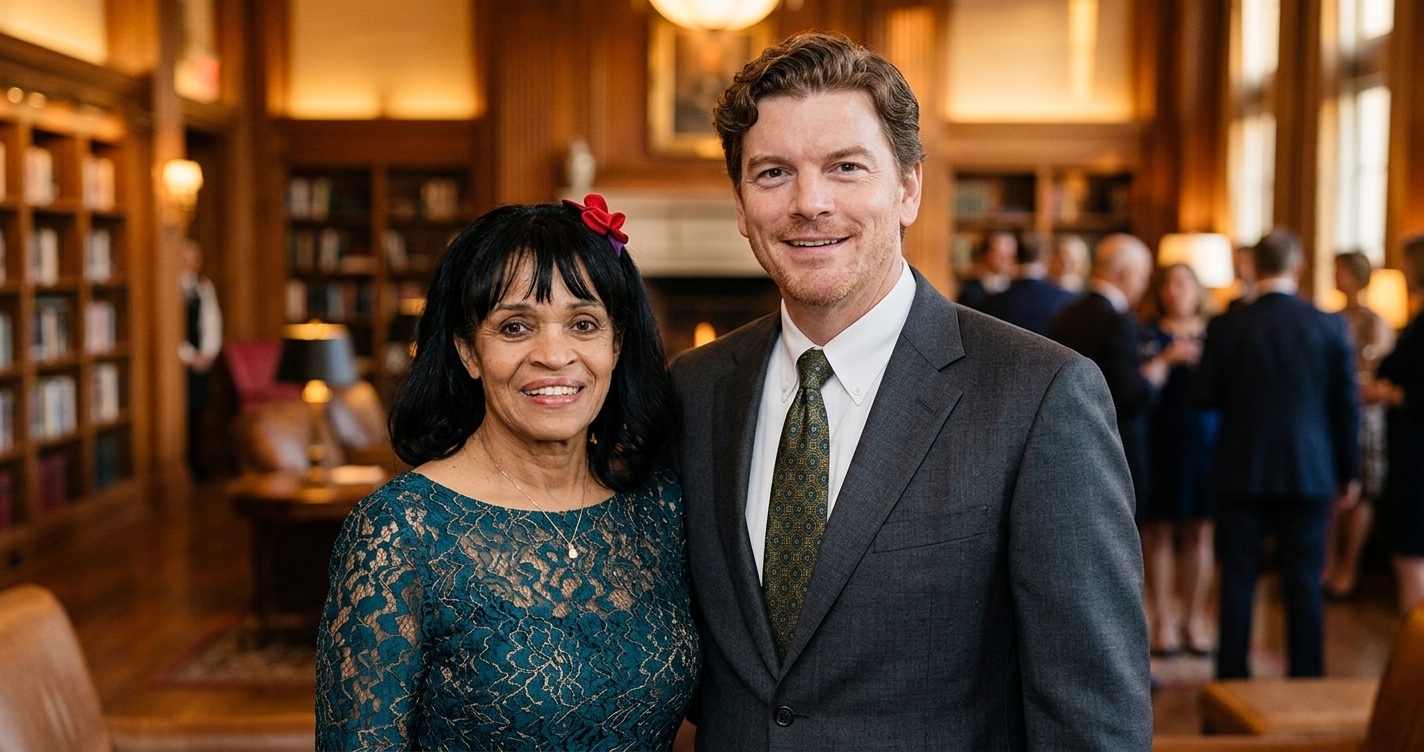
Dorothy Bowles Ford is widely recognized not only as the mother of Harold Ford Jr., a notable financial managing director and former U.S. Congressman, but also as the ex-wife of Harold Ford Sr., the pioneering first African-American congressman. Her life story, though often overshadowed by the political legacies of her former family members, presents a compelling narrative of strength, resilience, and quiet influence within one of America’s most prominent political dynasties.
Early Life and Background
Born and raised in the United States, Dorothy Bowles is of mixed ethnicity with African-American heritage. By her mid-70s as of 2024, she maintains her residence in New York City, reflecting her longstanding connection to the political and social fabric of America. Before her association with politics through marriage, Dorothy built a professional career with Potomac Electric Power Company, where she worked as a coordinator overseeing consumer and regulator functions.
This role demonstrated her capability and interest in administration and public service, complementing her later work as an administrator during her years married to Harold Ford Sr. Her professional background offers insight into her personal strengths beyond the political spotlight, illustrating a life grounded in organizational and regulatory expertise.
Marriage to Harold Ford Sr. and Family Life
Dorothy Bowles met Harold Ford Sr. in high school, marking the beginning of a significant personal and political partnership. They married in 1969 and had three children: Harold Eugene Ford Jr., Newton Jake Ford, and Sir Isaac Ford. This union connected Dorothy deeply to a major political family, as Harold Ford Sr. served as a U.S. Congressman for 22 years, becoming the first African-American from Tennessee to hold that position.
During the marriage, Dorothy played a critical role supporting the family’s political ambitions, including administrative duties for her husband. Their partnership was foundational not only to their personal lives but also to the development of their children’s political aspirations, especially Harold Jr.’s successful congressional career from 1997 to 2002.
The Legacy of Harold Ford Jr. and Harold Ford Sr.
Harold Ford Jr. followed in his father’s footsteps by serving as a member of the U.S. House of Representatives, symbolizing a multigenerational political impact. His achievements in finance and public service garnered national attention, helping to sustain the Ford family’s influence in American politics.
Harold Ford Sr.’s historic role as the first African-American congressman from Tennessee set a precedent that not only shaped his family’s legacy but also contributed significantly to the representation of African-Americans in U.S. politics. Together, the Ford family represents an important chapter in the ongoing narrative about political progress and civil rights in the United States.
Life After Divorce
After more than three decades of marriage, Dorothy Bowles Ford and Harold Ford Sr. divorced in 1999, following a period marked by personal misunderstandings. Since the divorce, Dorothy has maintained a relatively low public profile. While her ex-husband remarried and continued in the public eye, she chose to withdraw from political and social prominence.
Despite her more private lifestyle post-divorce, Dorothy’s name remains linked to the Ford family’s political milestones. Her role as a mother and ex-wife of two influential congressmen ensures her ongoing presence in narratives about American political history.
Understanding Dorothy Bowles Ford’s Identity and Heritage
There has been occasional curiosity about Dorothy’s ethnicity. She is identified as an American of mixed ethnicity with African-American roots. This diversity in heritage is an important aspect of her identity, underscoring the richness and complexity of American families and their role in shaping political landscapes.
Her position within a prominent African-American political family also adds cultural significance to her story, representing the experience of mixed-race individuals who navigate diverse social and cultural spaces in modern America.
Contributions Beyond Politics
While Dorothy Bowles Ford is chiefly known for her family connections, her own career accomplishments and community impact merit recognition. Her work with Potomac Electric Power and experience coordinating consumer and regulatory affairs reflect a commitment to public service that predates and parallels her family’s political involvement.
This background highlights her as a figure of competence and dedication, enriching the overall understanding of the Ford family’s multifaceted contributions to both public life and private spheres.
Frequently Asked Questions About Dorothy Bowles Ford
Who is Dorothy Bowles Ford?
She is the mother of Harold Ford Jr., ex-wife of Harold Ford Sr., and a former professional at Potomac Electric Power Company.
What is Dorothy Bowles Ford known for?
Dorothy is primarily known for her connection to the Ford political family and her early administrative work supporting her then-husband’s congressional career.
Is Dorothy Bowles Ford African-American?
She is of mixed ethnicity, including African-American heritage, and is an American national.
How many children does Dorothy have?
Dorothy Bowles Ford has three children: Harold Eugene Ford Jr., Newton Jake Ford, and Sir Isaac Ford.
What happened after Dorothy and Harold Ford Sr. divorced?
Dorothy Bowles Ford stepped back from public life, while Harold Ford Sr. remarried and remained active in various public endeavors.
Conclusion
Dorothy Bowles Ford’s life is defined by more than just her ties to a famous political family. Her personal journey—from a dedicated professional to the wife and mother within a pioneering political dynasty—reveals a story of steadfast support and quiet influence. Her legacy continues through her children and the indelible impact of the Ford family on American politics. Understanding her story enriches the broader narrative of political families shaping the nation’s history.