

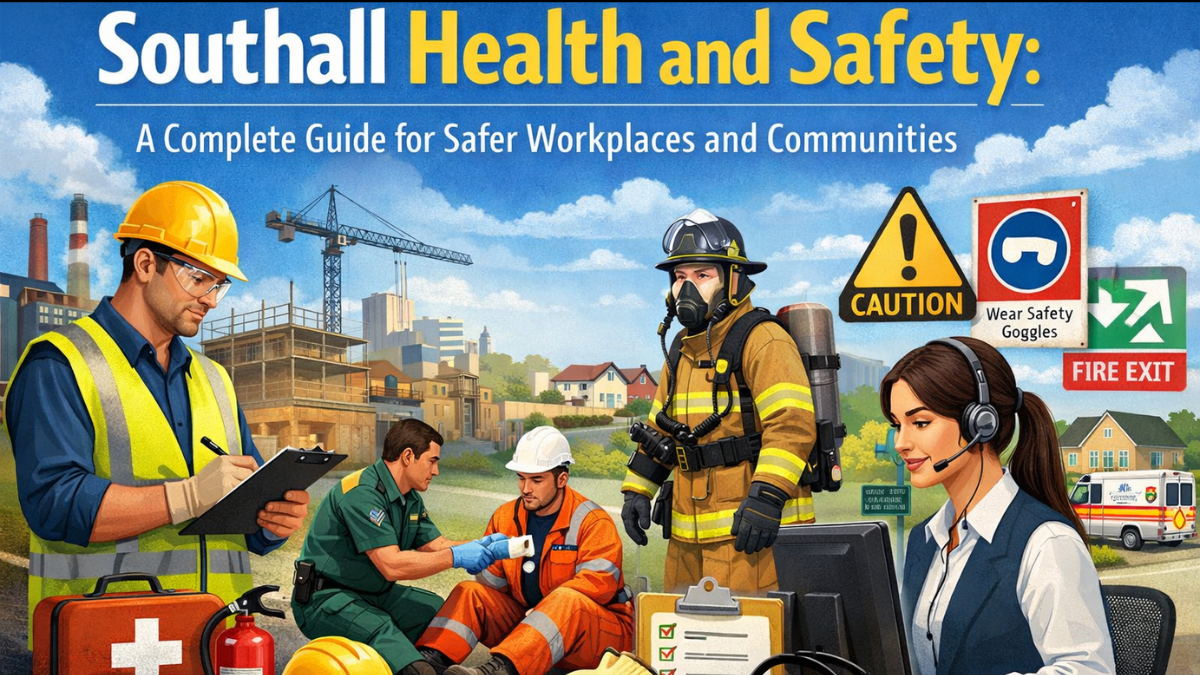
Health and safety are essential aspects of everyday life, especially in busy and diverse areas like Southall. Whether in workplaces, construction sites, offices, schools, or public spaces, maintaining proper safety standards protects people from harm and ensures smooth operations. Southall health and safety is not just about following rules—it’s about creating a culture of awareness, responsibility, and prevention.
In this article, we will explore the importance of health and safety in Southall, key regulations, workplace practices, common risks, and practical ways to maintain a safe environment. This guide is useful for business owners, employees, and anyone interested in improving safety standards.
Understanding Health and Safety
Health and safety refer to the procedures, policies, and practices designed to protect individuals from accidents, injuries, and health hazards. These measures apply to all types of environments, including workplaces, public areas, and homes.
In a place like Southall, where businesses and industries operate actively, maintaining high safety standards is crucial. From small shops to large construction projects, every organization has a responsibility to ensure the well-being of employees and visitors.
Importance of Health and Safety in Southall
Protecting Employees and the Public
One of the main reasons health and safety are important is to protect people from harm. Accidents can happen anytime, but proper precautions significantly reduce risks.
Legal Compliance
Businesses must comply with safety regulations. Failure to do so can result in fines, legal actions, or even closure of the business.
Improving Productivity
A safe workplace leads to happier and more productive employees. When workers feel secure, they can focus better on their tasks.
Enhancing Reputation
Companies that prioritize safety build trust with customers and employees. A strong safety record can improve a business’s reputation in the community.
Key Health and Safety Regulations
Health and safety regulations are designed to ensure that organizations follow proper safety procedures. These rules may vary depending on the type of work, but the core principles remain the same.
Risk Assessment
Employers must identify potential hazards and assess the level of risk. This helps in planning preventive measures.
Safety Training
Employees should receive proper training to understand risks and know how to handle emergencies.
Use of Protective Equipment
Personal Protective Equipment (PPE), such as helmets, gloves, and masks, should be provided when necessary.
Emergency Procedures
Clear emergency plans must be in place, including fire exits, first aid, and evacuation procedures.
Common Workplace Hazards in Southall
Physical Hazards
These include slips, trips, falls, and injuries caused by machinery or equipment.
Chemical Hazards
Exposure to harmful substances can lead to serious health problems if not handled properly.
Biological Hazards
Workplaces such as healthcare facilities may involve exposure to viruses and bacteria.
Ergonomic Hazards
Poor posture, repetitive movements, and improper workstation setups can cause long-term health issues.
Health and Safety in Different Industries
Construction Industry
Construction sites are among the most hazardous workplaces. Workers must follow strict safety measures, including wearing helmets, harnesses, and safety boots.
Retail and Shops
In retail environments, common risks include slips, manual handling injuries, and fire hazards.
Offices
Office environments may seem safe, but they still involve risks like eye strain, back pain, and electrical hazards.
Healthcare Sector
Healthcare workers face risks from infections, sharp instruments, and chemical exposure.
Role of Employers in Health and Safety
Employers play a key role in maintaining a safe environment. Their responsibilities include:
-
Conducting regular risk assessments
-
Providing proper training
-
Supplying safety equipment
-
Ensuring safe working conditions
-
Monitoring and improving safety practices
A proactive approach helps prevent accidents before they happen.
Role of Employees in Health and Safety
Employees also share responsibility for maintaining safety. They should:
-
Follow safety guidelines
-
Use equipment correctly
-
Report hazards immediately
-
Participate in training sessions
Safety is a shared responsibility, and teamwork is essential.
Risk Assessment Process
A proper risk assessment involves several steps:
Identifying Hazards
Look for anything that could cause harm, such as faulty equipment or unsafe conditions.
Evaluating Risks
Determine how likely the hazard is to cause harm and how severe the impact could be.
Implementing Controls
Take steps to eliminate or reduce risks, such as installing safety guards or providing PPE.
Reviewing Regularly
Risk assessments should be updated regularly to ensure effectiveness.
Importance of Safety Training
Training is one of the most effective ways to improve safety. It helps employees understand risks and teaches them how to respond in emergencies.
Types of Training
-
Fire safety training
-
First aid training
-
Manual handling training
-
Equipment handling training
Regular training sessions ensure that employees stay updated on safety practices.
Emergency Preparedness
Being prepared for emergencies can save lives. Every workplace should have a clear emergency plan.
Fire Safety
Fire alarms, extinguishers, and evacuation routes should be clearly marked and regularly checked.
First Aid
First aid kits should be easily accessible, and trained personnel should be available.
Evacuation Plans
Employees should know how to exit the building safely in case of an emergency.
Health and Safety Culture
A strong safety culture means that everyone in the organization prioritizes safety. It involves:
-
Open communication about risks
-
Encouraging reporting of hazards
-
Continuous improvement of safety practices
When safety becomes part of daily routine, accidents are less likely to occur.
Benefits of Good Health and Safety Practices
Reduced Accidents
Proper safety measures significantly lower the risk of injuries.
Cost Savings
Fewer accidents mean lower medical costs, compensation claims, and downtime.
Employee Satisfaction
A safe environment improves morale and job satisfaction.
Business Growth
Companies with strong safety records often perform better and attract more clients.
Challenges in Maintaining Health and Safety
Despite its importance, maintaining safety can be challenging.
Lack of Awareness
Some employees may not fully understand safety procedures.
Poor Training
Insufficient training can lead to unsafe practices.
Neglect of Regulations
Ignoring safety rules can result in serious consequences.
Budget Constraints
Some businesses may hesitate to invest in safety measures.
Overcoming these challenges requires commitment and continuous effort.
Tips for Improving Health and Safety in Southall
-
Conduct regular inspections
-
Provide ongoing training
-
Encourage open communication
-
Invest in safety equipment
-
Keep updated with regulations
Small improvements can make a big difference in overall safety.
Future of Health and Safety
Health and safety practices are evolving with new technologies and regulations. Digital tools, automation, and data analysis are helping organizations identify risks more effectively.
In the future, workplaces in Southall are likely to adopt smarter safety systems, making environments even safer for everyone.
Conclusion
Southall health and safety is a crucial aspect of maintaining safe workplaces and communities. By following proper guidelines, conducting risk assessments, and promoting a culture of safety, businesses can protect their employees and the public.
Both employers and employees must work together to ensure that safety remains a top priority. With the right approach, accidents can be minimized, productivity can improve, and a safer environment can be created for all.
FAQs
What is meant by health and safety?
Health and safety refer to the practices and regulations designed to protect people from accidents, injuries, and health risks in various environments.
Why is health and safety important in Southall?
It is important to protect workers, comply with legal requirements, improve productivity, and maintain a good reputation.
Who is responsible for workplace safety?
Both employers and employees share responsibility. Employers must provide safe conditions, while employees must follow safety guidelines.
What are common workplace hazards?
Common hazards include slips and falls, chemical exposure, poor ergonomics, and machinery-related risks.
How can businesses improve health and safety?
Businesses can improve safety by conducting risk assessments, providing training, using protective equipment, and maintaining clear emergency plans.
What is a risk assessment?
A risk assessment is the process of identifying hazards, evaluating risks, and implementing measures to reduce or eliminate those risks.